

ERP analytics solutions in Kenya
Moving Beyond Reactive Supply Chains

ERP analytics solutions in Kenya
For many Kenyan enterprises, supply chain management has traditionally been reactive — responding to stockouts, delayed deliveries, or production bottlenecks. In today’s fast-moving and unpredictable market, reactive approaches are no longer enough.
ERP analytics solutions in Kenya are changing the game. By connecting financial, operational, and logistics data in real time, organizations can anticipate problems before they occur, reduce costs, and improve service levels.
At Software Dynamics, we help Kenyan businesses leverage Dynamics 365 ERP analytics to transform data into actionable insight, enabling supply chains that are both efficient and resilient.
The Hidden Cost of Reactive Supply Chains
Reactive operations leave enterprises exposed:
- Stock shortages causing lost sales
- Overproduction tying up working capital
- Supplier delays creating cascading disruptions
- Lack of real-time visibility preventing timely decisions
According to the World Bank, data-driven supply chain management can reduce operational costs by 15–25% while improving service levels.
ERP analytics solutions in Kenya empower manufacturers to break free from these cycles, turning data into predictive intelligence.
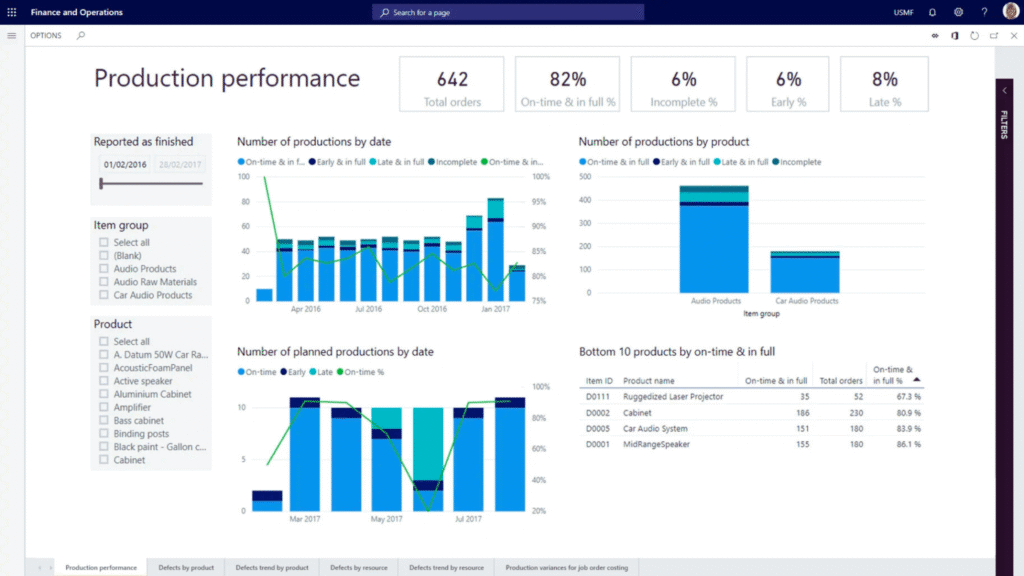
How ERP Analytics Drives Predictive Supply Chains
1. Integrated Real-Time Insights
ERP analytics unifies procurement, production, logistics, and finance data, providing a single source of truth. Leaders can monitor inventory, supplier performance, and order status instantly.
2. Predictive Demand Planning
AI-driven forecasting models identify customer patterns, seasonality, and market trends — helping organizations plan production accurately.
3. Supply Risk Mitigation
ERP analytics flags supplier vulnerabilities and potential delivery delays, enabling proactive contingency planning and reducing operational risk.
4. Optimized Inventory Management
By analyzing consumption patterns and lead times, ERP analytics minimizes overstock while preventing stockouts, optimizing working capital without sacrificing service.
5. Data-Driven Decision Making
Dashboards provide actionable insights for executives and managers, ensuring decisions are grounded in real data rather than guesswork.

The Kenyan Manufacturing Context
Kenya’s manufacturing and logistics sectors face unique challenges:
- Currency fluctuations affecting import costs
- Rising operational expenses
- Regional supply chain disruptions
- Increasing customer expectations for fast, reliable delivery
ERP analytics solutions in Kenya enable organizations to respond strategically — uncovering inefficiencies, identifying trends, and prioritizing actions based on business impact.
Measured improvements from predictive analytics adoption include:
- 30–40% reduction in emergency orders
- 20–35% improvement in production planning accuracy
- Significant reduction in operational waste and excess inventory
Software Dynamics: Turning Insight Into Momentum
At Software Dynamics, we don’t just implement ERP — we engineer systems that translate data into continuous operational momentum.
Using Dynamics 365 ERP analytics, Kenyan organizations can:
- Monitor supply chain performance in real-time
- Predict demand and optimize production schedules
- Manage supplier and logistical risks proactively
- Make data-driven decisions that scale with growth
Momentum isn’t a byproduct of technology — it’s engineered through intelligent ERP analytics solutions.
Conclusion: Predictive Power as a Competitive Advantage
The future of Kenyan supply chains is predictive, not reactive. Organizations leveraging ERP analytics solutions in Kenya act before disruptions occur, optimize resources, and strengthen operational resilience.
Enterprises adopting ERP analytics today will outpace competitors tomorrow — turning data into foresight, foresight into action, and action into momentum.