

When an enterprise reaches a critical mass, operational friction becomes a constant threat to profitability. Expansion stalls not because of market conditions, but because internal systems are bogged down by manual workarounds, fragmented data silos, and accumulated technical debt.
In Week 2 of our architectural insight series, we examined the foundational architecture required for sustainable enterprise growth – shifting from reactive technology fixes to engineering a high-performance digital core.
Here is a recap of the strategic imperatives covered in Videos #4 through #6.
1. Meet the Modern Digital Core
Many enterprise leaders mistake owning multiple cloud applications for being digitally transformed. In reality, operating disconnected tools simply digitizes old operational silos.
True operational velocity requires a modern digital core – an intentional convergence of three critical pillars:
- Cloud ERP: Serving as the unshakeable operational baseline for core financial ledgers and logistics.
- Customer Engagement (CE): Mapping every client touchpoint and commercial opportunity in real time.
- Enterprise Data Fabrics: Binding frontend engagement and backend ledgers without messy, delayed batch synchronization.
By engineering this core natively within Microsoft Dynamics 365 and Microsoft Fabric, organizations replace slow end-of-month reconciliations with instant, end-to-end data visibility.
Key Takeaway: A modern digital core isn’t just an ERP upgrade, it is the real-time convergence of finance, customer engagement, and data fabrics working as a single, synchronized engine.
2. Signs Your Tech Stack Rules You
Watch: Video #5 – [Signs Your Tech Stack Rules You ] on YouTube
When technology architecture is built reactively, leadership eventually finds itself serving the system rather than the system driving the business. Recognizing operational bottlenecks early is essential for preventing systemic stagnation.
An operational audit reveals three distinct signs that your technology stack is controlling your enterprise:
- The Manual Bridge Culture: Staff spend more time copying, pasting, and re-keying data between systems than executing strategic initiatives.
- Blind Margin Execution: Sales and frontline teams close deals without real-time visibility into inventory costs, credit limits, or live profit margins.
- Reporting Lags: C-suite executives rely on end-of-month batch reporting to make strategic decisions, reacting to historical data rather than steering live operations.
Key Takeaway: If your teams spend hours manually reconciling data across platforms to generate routine reports, your technology stack is actively choking your enterprise’s operational velocity.
3. Human Experience vs. Robot Tasks
Watch: Video #6 – [Human Experience vs. Robot Tasks ] on YouTube
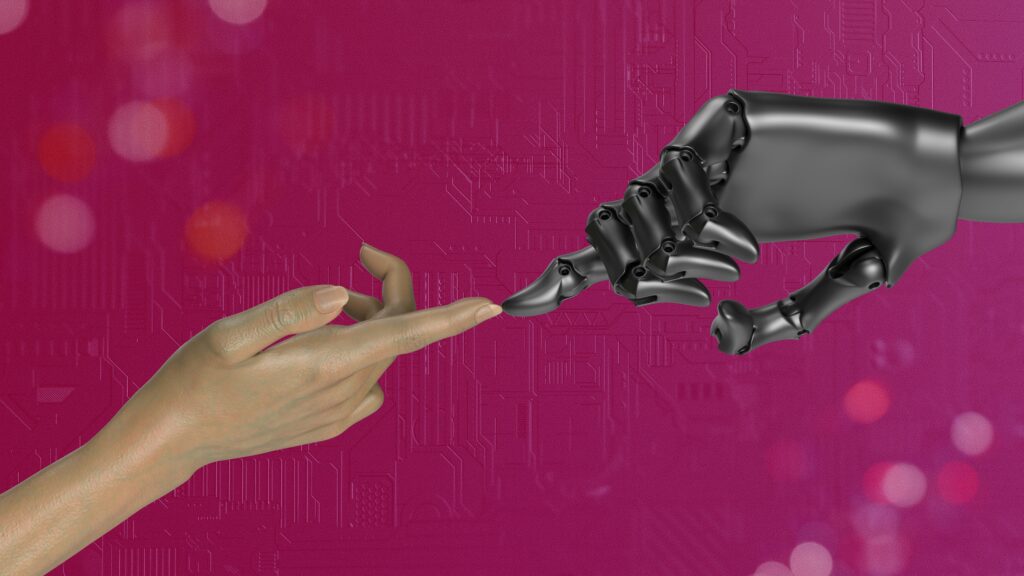
The ultimate goal of enterprise automation isn’t just eliminating manual steps; it is redefining how human capital creates value.
When highly skilled personnel are burdened with repetitive administrative tasks, such as manual invoice matching, data entry, and status chasing – organizational productivity drops, employee churn increases, and operational error rates rise.
Transitioning to an orchestrated digital core elevates employee engagement:
- Automating Repetitive “Robot” Tasks: Routine verification rules, ledger entries, and cross-system status updates are handled continuously by the underlying architecture.
- Empowering Strategic Human Roles: Financial controllers, operations heads, and account managers shift their focus from administrative maintenance to high-impact analysis, risk management, and client relationships.
Key Takeaway: Modern automation transforms your workforce by removing repetitive, error-prone tasks and enabling teams to deliver higher-value human experiences.
Executive Audit Checklist
Evaluate your current operational readiness with these three diagnostic questions:
- Does our current technology architecture unite Cloud ERP, Customer Engagement, and live Data Fabrics under one source of truth?
- How many manual human bridges exist in our core business workflows just to move data from one platform to another?
- Are our teams spending more time entering data into tools than using data to drive growth?
Ready to Modernize Your Enterprise Core?
Dismantling operational friction requires an architectural foundation engineered for scale. At Software Dynamics, we specialize in designing modern digital cores natively within Microsoft Dynamics 365, Microsoft Fabric, and Azure to unlock real-time business performance.
- Explore Our Architecture Practice: Dynamics 365 Customer Insights
- Speak with an Enterprise Architect: sales@softwaredynamicsgroup.com